Words that will be used during the first unit of the heat transfer module
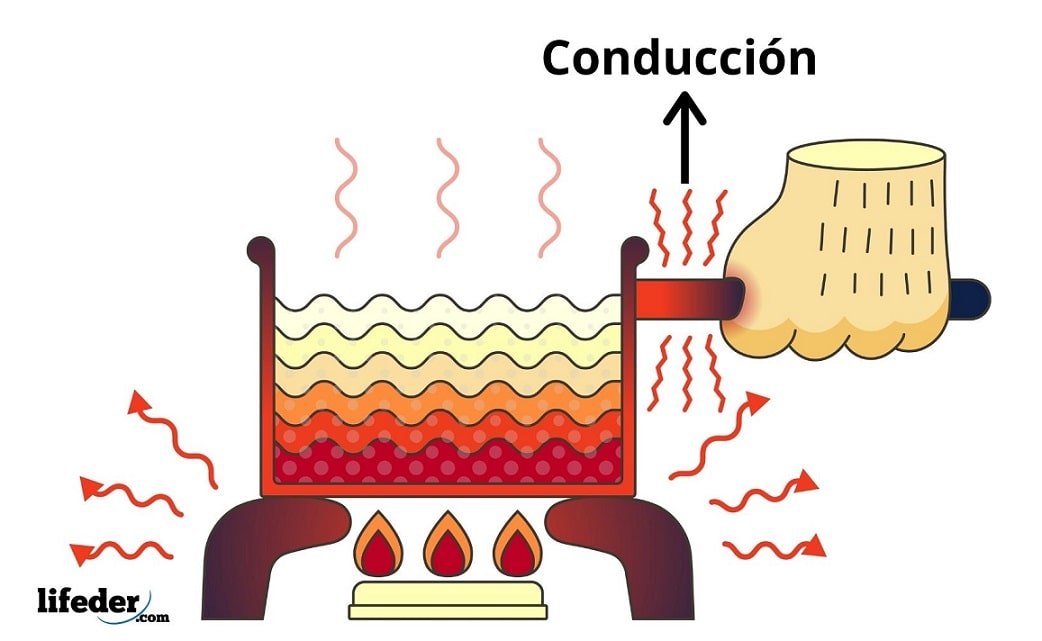
Conduction
Noun
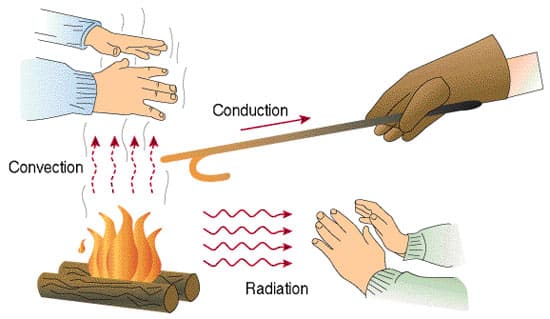
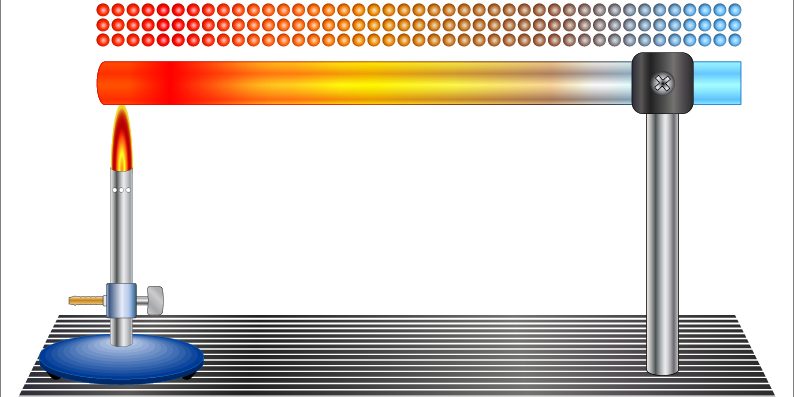
It is a process of heat transmission based on direct contact between bodies, without matter exchange, because heat flows from a higher temperature body to a lower temperature body that is in contact with the first.
Example: Thick products which heat by CONDUCTION, and whose thermal diffusivities are about the same as water, there being insufficient or no covering liquid.
es: Conducción
Control volumen
Noun
A control volume is a fixed region in space chosen for the thermodynamic study of mass and energy balances for flow systems. The control volume limit can be a real or imaginary envelope.
Example: In this CONTROL VOLUME, any change in the timing of the fluid within a control volume is due to the action of external forces on the fluid within the volume.
es: Volumen de control
Convection
Noun
Convection occurs only through materials, the evaporation of water or fluids. Convection itself is the transport of heat through fluid movement.
Example: To conserve heat loss by radiation, CONVECTION and conduction blood flow to the dermis of the skin is reduced.
es: Convección
Emissivity
Noun
It is the proportion of thermal radiation emitted by a surface or object due to its temperature.
Example: The emissivity coefficient (ε) is a dimensionless number that relates the ability of a real object to radiate thermal energy.
es: Emisividad
Heat transfer
Noun
Heat transfer is the physical process of propagation of heat in different media.
Example: On the surface deposits of materials can accumulate that reduce the HEAT TRANSFER and increase the pressure drop.
es: Transferencia de calor
Internal energy
Noun
Internal energy is defined as the energy associated with the random and disorderly motion of molecules.
Example: The change in INTERNAL ENERGY (U) of the system is equal to the heat added (Q).
es: Energía interna
Kinetic energy
Noun
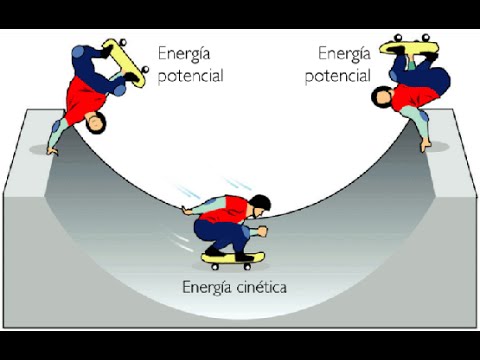
It is that energy that it possesses due to its relative movement. It is defined as the work necessary to accelerate a body of a given mass (any object) from rest to the indicated speed.
Example: KINETIC ENERGY is that which a body acquires due to its movement and is defined as the amount of work necessary to accelerate a body at rest and of a given mass to a set speed.
es: Energía cinética
Mass transfer
Noun
Mass transfer occurs when a substance is transferred through another or others on a molecular scale. This occurs when two substances with different chemical compositions come into contact.
Example: MASS TRANSFER occurs in many processes, such as absorption, evaporation, drying, precipitation, membrane filtration, and distillation.
es: Transferencia de masa
Open system
Noun
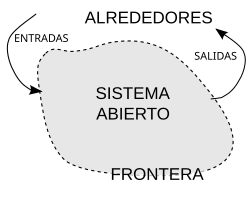
An open system is a system that has external interactions. Said interactions can take the form of information, energy or matter transferred to the interior or exterior of said system, which depends on the discipline in which the concept is defined.
Example: An OPEN SYSTEM contrasts with the concept of a closed system, which does not exchange matter or information with its environment.
es: Sistema abierto
Potential energy
Noun
Potential energy is the mechanical energy associated with the location of a body within a force field (gravitational, electrostatic, etc.) or the existence of a force field within a body (elastic energy).
Example: The POTENTIAL ENERGY of a body is a consequence of the fact that the system of forces acting on it is conservative.
es: Energía potencial
Radiation
Noun
Radiation is the transfer of heat energy by electromagnetic (infrared) waves.
Example: RADIATION causes a solid or liquid body with a higher temperature than another to immediately produce a transfer of heat from one to the other
es: Radiación
Temperature gradient
Noun
A temperature gradient is the gradual variation in temperature with distance. The slope of the gradient is consistent within a material. A gradient is established each time two materials at different temperatures are in physical contact with each other.
Example: Heat transfer occurs whenever there is a TEMPERATURE GRADIENT in a system or when two systems with different temperatures come into contact.
es: Gradiente de temperatura
Thermal conductivity
Adjective
Thermal conductivity is a physical property of materials that measures heat conduction capacity.
Example: The THERMAL CONDUCTIVITY and thickness of the material determine the rate of heat penetration
es: Conductividad térmica
Thermodynamics
Noun
Thermodynamics as the branch of physics in charge of the study of the interaction between heat and other manifestations of energy.
Example: According to the second law of THERMODYNAMICS, heat only flows from higher to lower temperatures.
es: Termodinámica
Total energy
Noun
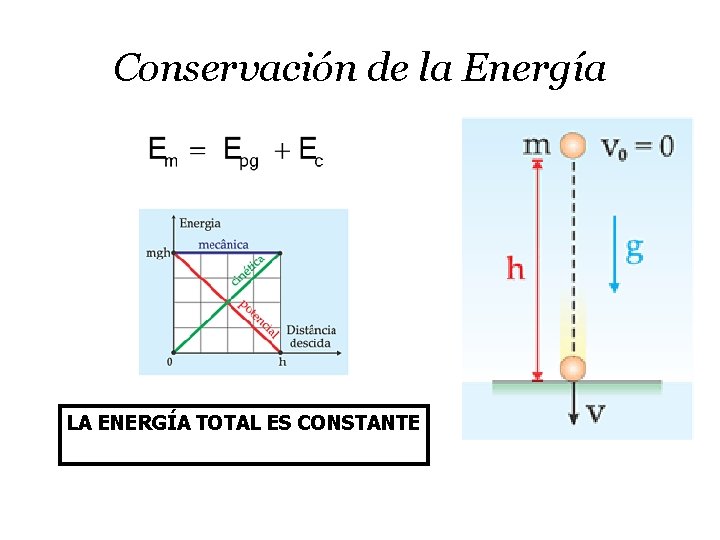
The total energy of a thermodynamic system is equal to the sum of the internal energy plus the potential energy plus the kinetic energy.
Example: Being that Protein counts for 10 15% of TOTAL ENERGY, determining the protein composition in foods is important so that one can use the recommended intake for a group of individuals and help provide a rich source of protein from different foods.